

Full disclosure: I sell Lumetallix, so I have a stake in this comparison. I’ve tried to be fair to every tool here. Lumetallix Instant Lead Test is an amazing tool, like many others in the wide spectrum of tools used to find dangerous lead. In a recent interview on a local Colorado TV station, journalists discussed a false negative and compared it to an XRF gun used to test ceramics for lead. That statement bothered me because the reagent never contacted lead. Overall, it was a great awareness piece, but I think the topic warrants a deeper dive. Each tool has its advantages and limitations, including the XRF.
Consumer Product Safety Commission
The CPSC groups all home lead tests together. They may not know Lumetallix exists, and they suggest home tests aren’t reliable because swabs have limitations, too. I am making them aware of Lumetallix and will update you on my effort to get them to evaluate it separately instead of grouping all lead tests together.
Lumetallix Instant Lead Test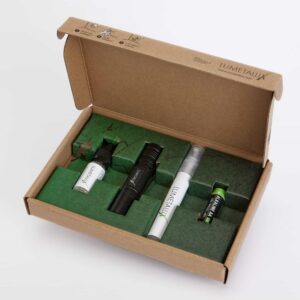
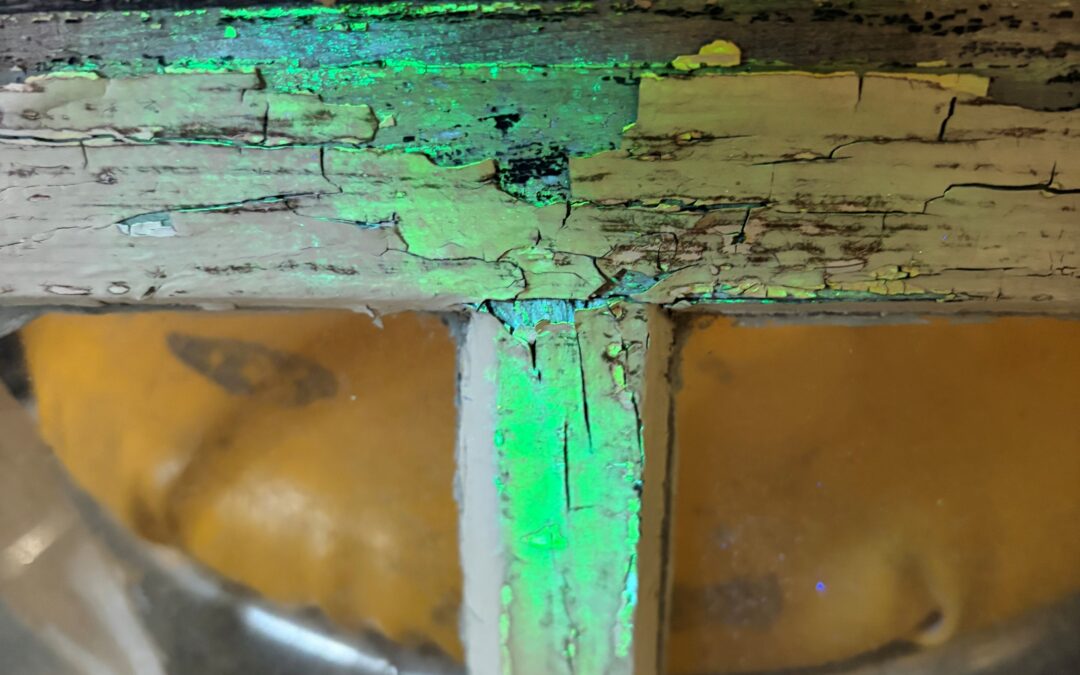
This liquid reagent instantly identifies lead using a perovskite reaction when viewed under a UV lead light. Researchers developed the process in a lab in the Netherlands. It is 10 times more sensitive than EPA-recognized lead-testing swabs and chemistry kits.
Lumetallix reacts at 500 PPM, a tenth of the 5000 PPM level the federal program uses to define lead-based paint. That is why the federal record classifies it as a screening test: a positive means lead is present, not that the material legally exceeds the threshold. More sensitivity is a good thing. Remember, we are talking about a neurotoxin here.
Advantages:
- Instant results.
- A positive test turns neon green.
- It is temperature-stable and has a long shelf life (2 years).
- It has very high sensitivity and specificity to lead and is not tricked by other metals.
- It can detect lead dust, the root cause of childhood lead poisoning. (You can see a nano particle with the naked eye)
- It can be used by anyone and requires no certification.
- There are 400 tests per kit.
Limitations:
- Until legislation changes in the Federal RRP program, it will not be EPA-recognized, because it reacts to lead below 5000 PPM.
- Wet samples cannot be tested until they dry.
Disadvantages
- In very bright sunlight, it is difficult to see the reaction without shading the area or using a stronger UV light source than we provide in the kit.
- If lead is buried beneath a surface layer such as latex paint, you will not get a reaction unless you cut down to the wood.
- The reagent must come in contact with lead to cause a reaction. That is how it works: no contact, no reaction.
XRF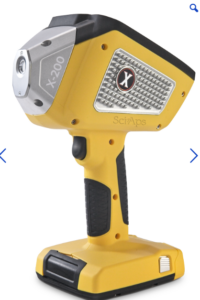
The XRF is the coolest tool there is. It sends out an X-ray pulse, produced either by an X-ray tube (lower strength) or a radioactive source (higher strength). The pulse causes the target to return a signal, and the instrument sorts the returning rays into energy “buckets.” It calculates each bucket, then identifies the metal by comparing the results to a library of metals stored in the machine.
Advantages:
- It reacts quickly and decisively.
- Some models combine the reading with a photograph to make the test repeatable.
- Lead is one of the easiest elements for XRF to see.
Limitations:
- It samples only about 1 cubic centimeter at a time, so it can only quantify lead in the exact area under the head.
- It must be handled by a certified person who has training in its use.
- It must be calibrated and meet the standard before use.
- It runs on batteries, so it is limited by battery life.
- It requires sophisticated software, and depending on the brand, it can present data in a format that is not user-friendly.
Disadvantages:
- XRFs are expensive. $15K to $35K is typical.
- Older units with a radioactive source need that source replaced periodically. Reported replacement intervals range from 3 to 10 years depending on the source of information, and a new source can cost $4,500-$15,000.
- Operators need radiation safety training.
- It can’t see lead dust.
NLLAP Laboratory Testing:
Hierarchically, this is the mother of all testing. These tests are extremely accurate, and the labs have all the tools and tricks to get accuracy. They digest the sample, measure the amount of lead, and then extrapolate based on the square footage tested. They are regulated and must meet stringent testing protocols and recalibration to even be in the game. NLLAP-certified labs are the only labs the EPA recognizes for the RRP program. Testing requires a chain-of-custody document and time to mail the sample away. The cost per test depends on the lab and how quickly you want results. You then have to interpret the emailed results, which can be challenging. Fiberquant is the lab I use.
TCLP
TCLP, also known as a lead leach test, is used in the industry to determine whether something, such as a leaded home, is toxic. Toxic would mean it needs to be disposed of at a hazardous waste location. Typically, homes contain so many non-leaded components that when averaged out, they do not need to be treated as hazardous waste. A high concentration, such as sand from blasting a leaded bridge, may warrant hazardous waste disposal in some cases. Your local lab should be able to digest a composite sample and provide you with results.
Summary
The root issue is eliminating childhood lead poisoning. An instant screening test can help prevent it. Teachers are testing their classrooms. Mothers are testing their homes. Leaded items are being covered up, areas are being cleaned, and things are being thrown out. A positive screening result is the cue to confirm with a lab or a certified professional, so screening and lab testing work together. XRF tools are typically called in during an investigation of an elevated blood lead level (EBLL), and laboratory tests are great for forensic evaluation after children are poisoned. Which one makes more sense for a consumer to use?
I’m not a robot — I talk back, and hearing from readers genuinely helps me understand what matters to you. If you have questions, thoughts, or just want to connect with someone who is passionate about lead safety, reach out directly click here to email me or call me at 208-908-4418. You’ll be glad you did.
If you or someone you know is involved in lead testing, or if you’re ready to order, visit the Lumetallix USA website or find us on Amazon.





0 Comments