


Limbo is a good measure of flexibility and is used throughout the Caribbean. The more practiced you are, the better you can bend beneath the bar. The one who goes lowest wins. In the lead and healthy housing world, we say the goal is “no lead.” But can we get there in a reasonable, responsible way? Or has the bar been set below where it actually needs to be?
The Bar Keeps Dropping
Under current rules, the dust clearance level after a lead abatement project is 5 micrograms per square foot (µg/ft²) on a floor. Ok, that’s above zero. Why not just call the clearance zero? Because there’s no test that can certify a surface “lead-free.” In fact, lead is still legally allowed in new consumer paint, up to 90 parts per million (PPM). I am not pulling your leg. True story.
A Tape Measure Can’t Weigh Anything
Before I go further, here’s something worth understanding: PPM and µg/ft² measure two completely different things, and there’s no way to convert one into the other. PPM measures the bulk concentration of lead in a kilogram of soil. µg/ft² measures the weight of lead dust sitting on a surface IE: a floor, a window sill, a window trough. Crazy but true: you can’t compare them directly.
I bring this up because it matters for what comes next.
Did We Over Shoot?
The EPA’s own guidance makes an important admission: cleanup levels shouldn’t be set below natural background levels of lead, because in many areas, the lead that’s simply “already there” from mining soil, decades of deteriorating paint, legacy sources like fuel additives is higher than the very screening levels the agency itself uses. For soil specifically, EPA’s current residential screening level is 200 PPM, dropping to 100 PPM in areas with other lead sources, with 600 PPM as the threshold for removal management.
That’s not me speculating, that’s the agency saying it. And it raises the same question for dust clearance: if background lead in the environment can already sit above the levels we’re demanding after an abatement, how much of our time, energy, and cost should go toward chasing that last increment of “clean,” versus getting more homes abated in the first place? I don’t have a tidy answer. It’s a real trade-off between depth and reach, and it’s a conversation the industry should have honestly rather than skip past because “lower” always sounds like the right call.
Ron Peik, a Lead Abatement Contractor and subject matter expert at Alpine Environmental in Massachusetts, put it to me plainly:
“I can get it that clean, and I do it for a living. But that level of clean is the cleanest the house will ever be. Once people move in, it gets more polluted — that’s just the way the environment is.”
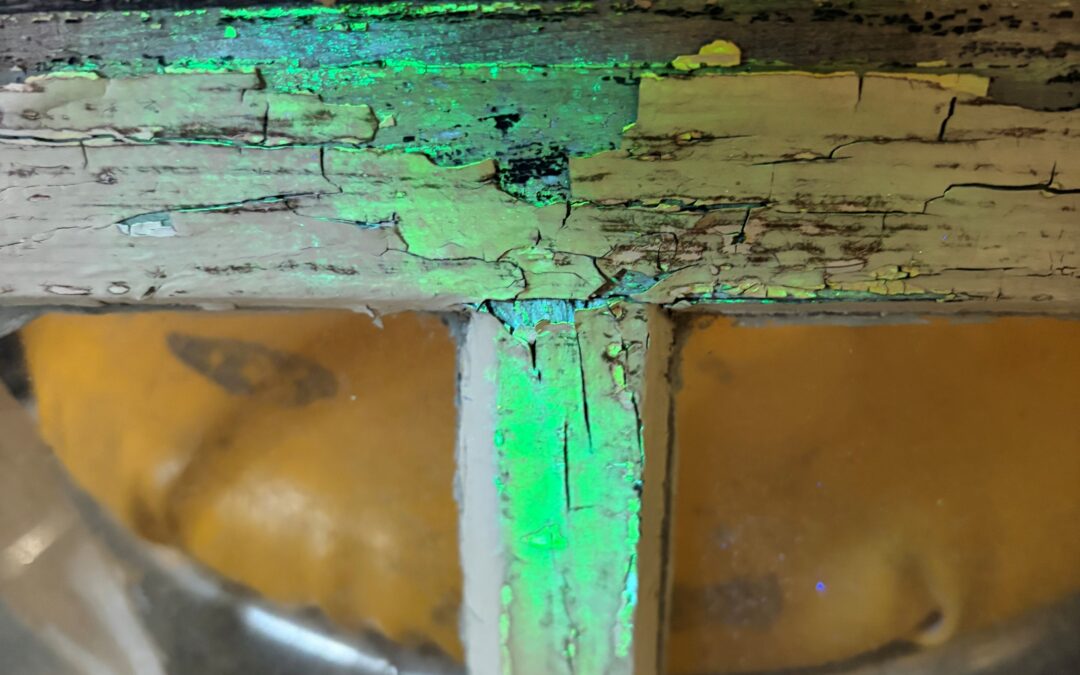
Ron uses the Lumetallix instant lead test to train his own staff on what clearance actually looks like: if lead specks are still shining neon green back at you under the UV light, it isn’t clean enough. Simple as that. His crew is learning, in real time, what it takes to do the job right.
Zero Lead Is A BHAG
Federal dollars typically fund lead abatement work, which makes this as much as a balancing act as a technical one. How do we stretch limited resources to protect the most kids, not just get the deepest clean in a handful of homes?
Jim Collins coined the term BHAG — a Big Hairy Audacious Goal. A future with zero lead in kids is exactly that: a vision worth having, even if it’s not fully within reach yet. In the meantime, the practical work is keeping kids lead-safe day to day. The two routes of poisoning are inhalation and ingestion, and staying vigilant about both matters more than hitting a perfect number on a lab report.
Because Now We Can
New instant-test technology is changing what’s actually achievable here. The Lumetallix Instant Lead Test lets even a layperson see lead dust particles with the naked eye, something that was invisible until just a few years ago. With it, you can see exactly where the problem areas are and what needs to be cleaned up, avoided, discarded, protected from contact, or disposed of entirely.
It’s been proven repeatedly that you can clean dust down below the baseline using this test. Once you know that you can, the next step is building habits. Start in your own home, then carry them to your kids’ school or daycare, Don’t stop there, check your own work and grandma’s house. Don’t forget to test your neighbor’s house too.
That’s right: you can start preventing childhood lead poisoning one test Lumetallix spritz and UV flashlight shine at a time. And that, my friends, is a low bar we can all try to get under.
I’m not a robot — I talk back, and hearing from readers genuinely helps me understand what matters to you. If you have questions, thoughts, or just want to connect with someone who is passionate about lead safety, reach out directly click here to email me or call me at 208-908-4418. You’ll be glad you did.
If you or someone you know is involved in lead testing, or if you’re ready to order, visit the Lumetallix USA website or find us on Amazon.





0 Comments