


Tortise & Hare
As a young remodeler, I assumed the faster we got through demolition, the sooner we could start rebuilding. I would get my whole crew to swarm the space like an army of ants and watch the pile of debris grow. I like to measure progress by how much we tear out in a day, as much as anyone. But of all the ideas that have come along in 21 years of doing this, throwing the full team at a demo all at once turned out to be one of the worst. A side-by-side comparison of projects proved it beyond a shadow of a doubt.
The Slow Way Turns Out To Be the Fast Way
Doing your site prep well up front is like the tortoise and the hare. One of my project managers, Brant Dilworth, pushed for this approach out of sheer frustration with how things had been going. One great example: using a double layer of 6 mil plastic instead of one goes a long way toward keeping the mess contained to the area you actually intended to work. I picked that trick up from my friend Ron Peik, President of Alpine Environmental, a New Hampshire-based lead abatement contractor. It sounds like a small thing. It isn’t. Another is completing one area at a time before moving to the next..
Working On Pre-1978 Homes
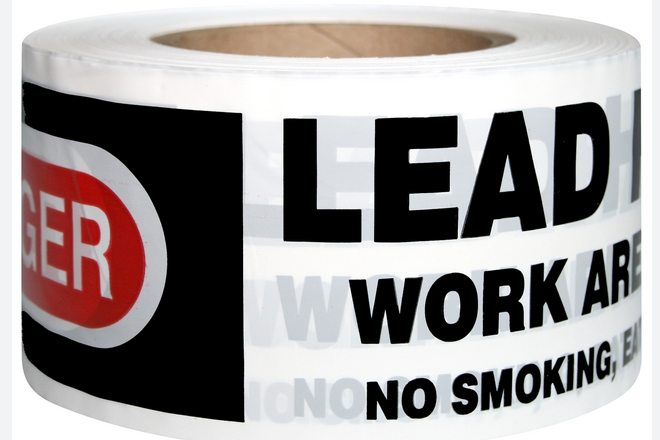
I don’t shy away from working on pre-1978 homes; I run toward them. The reason is simple: lead is a serious health risk, and I’ve found that the same discipline it takes to do lead-safe demolition well is exactly the discipline that makes every project run better overall. Understand how to perform lead-safe work practices, stage the demo to minimize dust migration, then clean sensibly as you go. It’s a sequence that’s been proven out on job after job. The only real difference is the PPE and a few specific work-area restrictions.
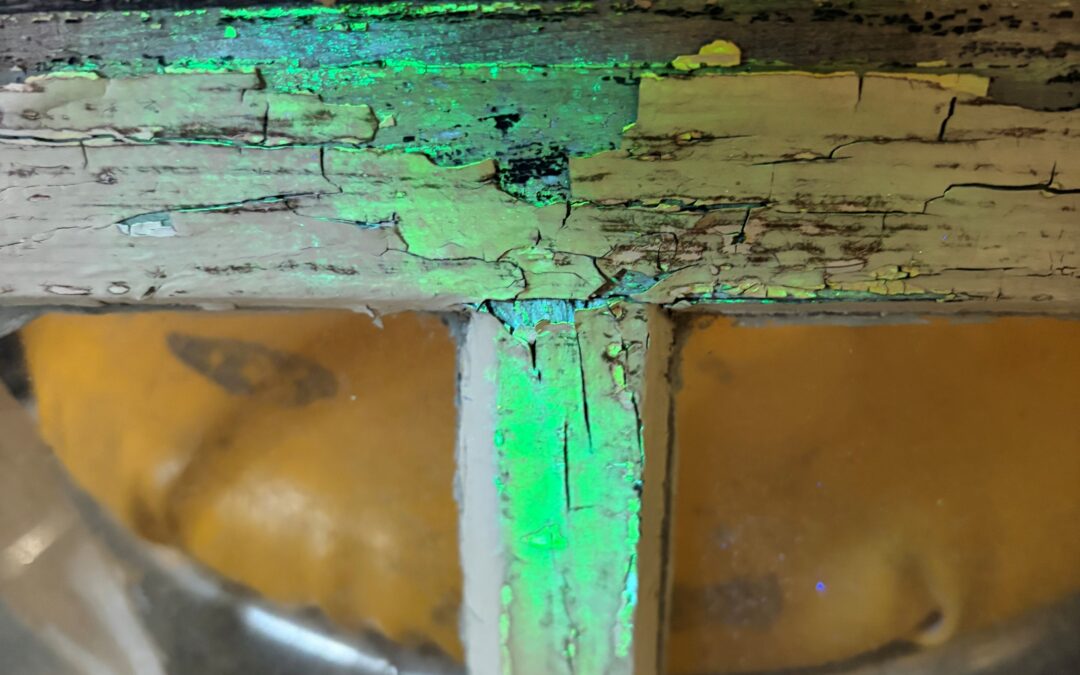
Part of that toolkit now includes Lumetallix, an instant lead-test I consider genuinely cutting-edge in this field. I use it as a screening step to confirm the job site is clean at the end of a project — with the reagent spray under UV light, even a speck of lead dust glows neon green, which makes the hazard specific and visible instead of theoretical.
Lead-Safe Practices Are Just Good Demolition Practices

Emeril
That’s really the whole thesis. Lead demolition under RRP rules is just good demolition practice on steroids. There’s no excuse for sloppy demo that lets dust permeate a client’s house. As Emeril would say, “BAM” — just kick things up a notch. As an industry, we need to reckon with the fact that careless demolition can mean poisoning the very clients we’re supposed to be serving. That’s not acceptable.
In Practice, Here Is What It Looks Like On Our Jobs
- Minimize the number of staff on the demo at any one time.
- Work by area until you’re done. Don’t spread out.
- Clean consistantly, not just at the end of the day.
- Leave containment up until you genuinely don’t need it any more.
- Track client satisfaction. Althouth it is harder to quantify, it is a real measure of success.
The Proof Is In the Puddin’
We’ve run different crews through demo work over the years and track payroll by division, which lets us compare approaches directly instead of guessing. Our estimates are built on data we’ve pulled from actual projects, and they consistently favor the slower, more controlled approach.
In fact, we once ran two simultaneous demolition projects — one with five guys, one with two. The larger crew caused a level of chaos the smaller one never did: over-demolishing things that led to extra drywall repairs, confusion, and safety issues including piles of debris on stairways, dust, and trip hazards. They also spent real stretches of time just waiting for the dumpster to come back, doing nothing. The list goes on.
The Bottom Line
Slowing down doesn’t cost you the job — it’s what lets you finish it once, cleanly, in an orderly fashion. Expect less chance of making mistakes and less chance of contaminating the home. Twenty-one years in, that’s the lesson that resonates. The small crew that moves deliberately beats the large crew that swarms, every time.
I’m not a robot — I talk back, and hearing from readers genuinely helps me understand what matters to you. If you have questions, thoughts, or just want to connect with someone who is passionate about lead safety, reach out directly click here to email me or call me at 208-908-4418. You’ll be glad you did.
If you or someone you know is involved in lead testing, or if you’re ready to order, visit the Lumetallix USA website or find us on Amazon.




0 Comments